
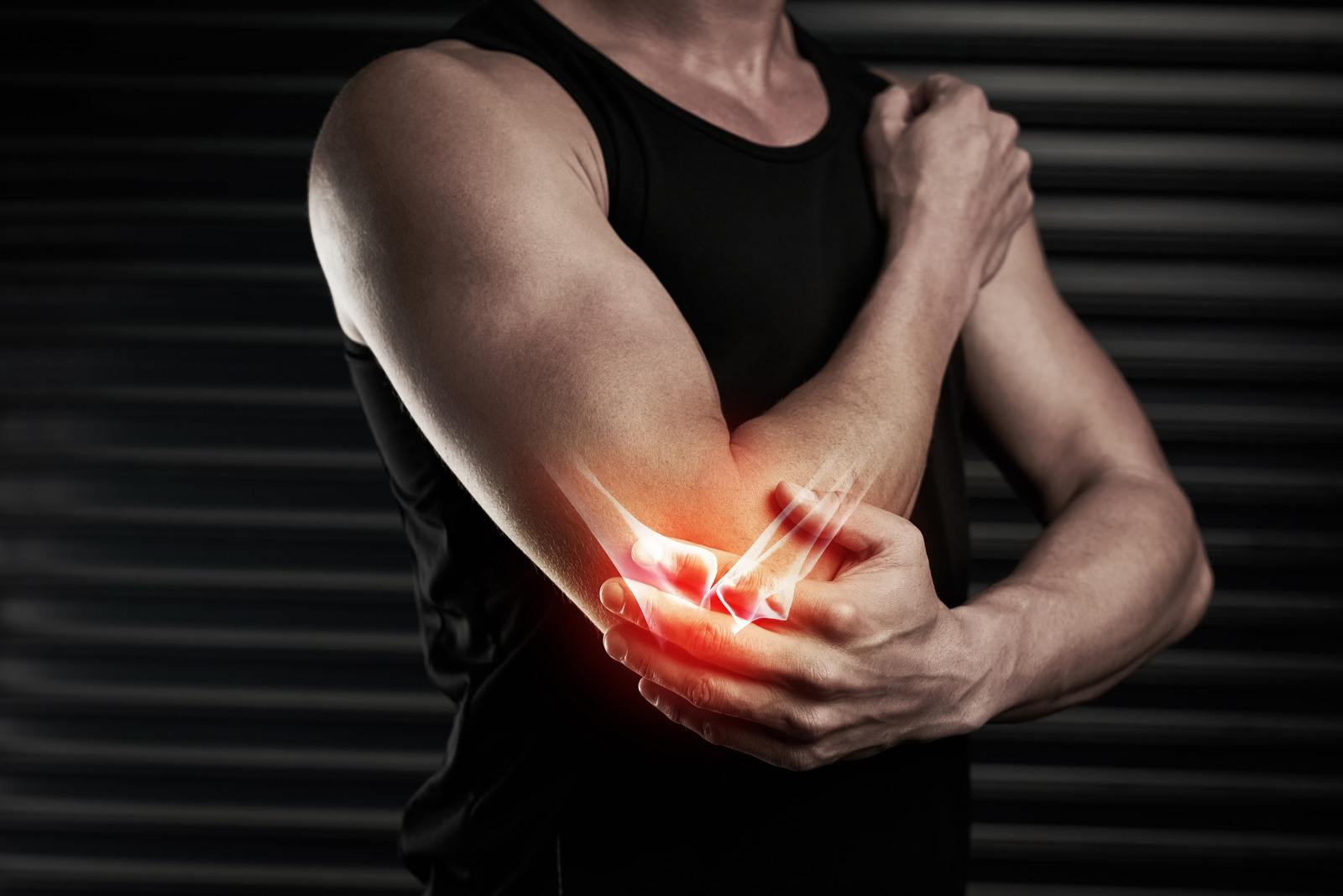
Tennis Elbow Surgery: When Is an Operation Considered for Persistent Pain?
Learn why tennis elbow is usually treated without surgery, what else can cause outer-elbow pain and when an operation may be considered.
Tennis elbow can make lifting a cup, carrying a bag or gripping a tool painful—even in someone who has never held a tennis racquet. The condition involves the common extensor tendon attachment on the outside of the elbow and is usually managed without surgery.
An operation becomes relevant only for a smaller group with a confirmed diagnosis and persistent functional limitations despite a well-structured nonsurgical plan.
What is tennis elbow?
Tennis elbow, or lateral epicondylitis, is a tendon disorder at the lateral epicondyle on the outside of the elbow. The extensor carpi radialis brevis tendon is commonly involved.
Pain often increases with resisted wrist extension, gripping or lifting with the palm facing down. Symptoms can extend into the forearm and affect work, sport and household activities.
Although repetitive loading can contribute, the condition is not simply acute inflammation from “overuse.” Chronic tendon change and the way load is managed are part of the clinical picture.
What else can cause pain on the outside of the elbow?
Radial nerve compression, elbow arthritis, instability, referred pain and injury to nearby structures can resemble tennis elbow. Neck or shoulder problems can also alter how the arm is used.
Numbness, substantial weakness, locking, loss of motion or pain in an atypical location should broaden the assessment.
Diagnosis is usually clinical. X-rays, ultrasound or MRI may be used when symptoms are unusual, trauma occurred, another diagnosis is suspected or surgery is being considered.
What treatment is tried before surgery?
Nonsurgical care may include adjusting painful loads, ergonomic changes, a brace in selected cases and a progressive therapy programme. The aim is to rebuild the tendon’s capacity rather than permanently avoid all use of the arm.
Medication and injection options require an individual discussion. Short-term symptom relief does not necessarily indicate long-term tendon recovery, and repeated injection is not a substitute for confirming the diagnosis and managing load.
Improvement can be gradual and uneven. A temporary flare after increased activity does not automatically mean all progress has been lost.
When may surgery be considered?
Surgery may enter the discussion when symptoms have remained substantially limiting despite an adequate period of appropriate nonsurgical treatment and the diagnosis is well supported.
Duration alone is not enough. The clinician also considers functional impairment, examination, response to rehabilitation, occupational demands and whether another condition better explains the pain.
An operation performed for the wrong pain generator is unlikely to solve the problem.
What does tennis elbow surgery do?
Procedures generally address abnormal tendon tissue at the lateral epicondyle and may repair healthy tendon back to its attachment. The operation can be performed through an open, percutaneous or arthroscopic approach in selected cases.
The approach depends on anatomy, associated joint findings and surgeon assessment. Arthroscopy may allow evaluation inside the elbow, but smaller incisions do not remove the need for tendon healing and rehabilitation.
What are the risks and limitations?
Potential risks include infection, stiffness, nerve or blood-vessel injury, persistent pain, weakness, instability and incomplete return to previous activity.
Surgery cannot guarantee that all outer-elbow pain will disappear. If work technique, load progression or another contributing problem remains unaddressed, symptoms can continue even after tendon treatment.
The decision should compare these limitations with the real impact of ongoing symptoms—not with an expectation of an immediate cure.
What is recovery like?
The incision and tendon need protection before loading is rebuilt. Therapy commonly progresses from motion and swelling control toward strengthening and task-specific use.
Desk work, driving, racquet sport and heavy tool use place different demands on the repair. Return dates therefore depend on the procedure, healing and demonstrated function.
Tennis elbow treatment in Montreal
Most patients should have the opportunity to pursue a thoughtful nonsurgical pathway before an operation is considered. Persistent symptoms then require confirmation that the tendon—not a nerve, joint or other structure—is the principal pain source.
If outer-elbow pain continues to limit work or daily activity despite appropriate care, schedule a consultation with Dr. Daniel Durand to review the diagnosis and available treatment options.